The ancient settlement of Catalhoyuk had no streets or doors, with residents entering their homes by climbing down ladders through holes in their roofs. This 9,000-year-old Turkish city operated as one massive interconnected building where rooftops served as highways and community spaces.
Nearly 1,800 years before Copernicus shocked the world with his heliocentric theory, a brilliant Greek mathematician named Aristarchus had already figured out that Earth orbits the Sun. His revolutionary idea was so far ahead of its time that history nearly forgot him entirely.
Ancient Indian step wells are architectural marvels that descend up to 100 feet underground, featuring intricate staircases and elaborate carvings while providing sustainable water access for over 1,000 years. These engineering masterpieces created natural cooling systems, harvested rainwater, and served as community centers, proving that sometimes the most brilliant solutions come from the distant past.
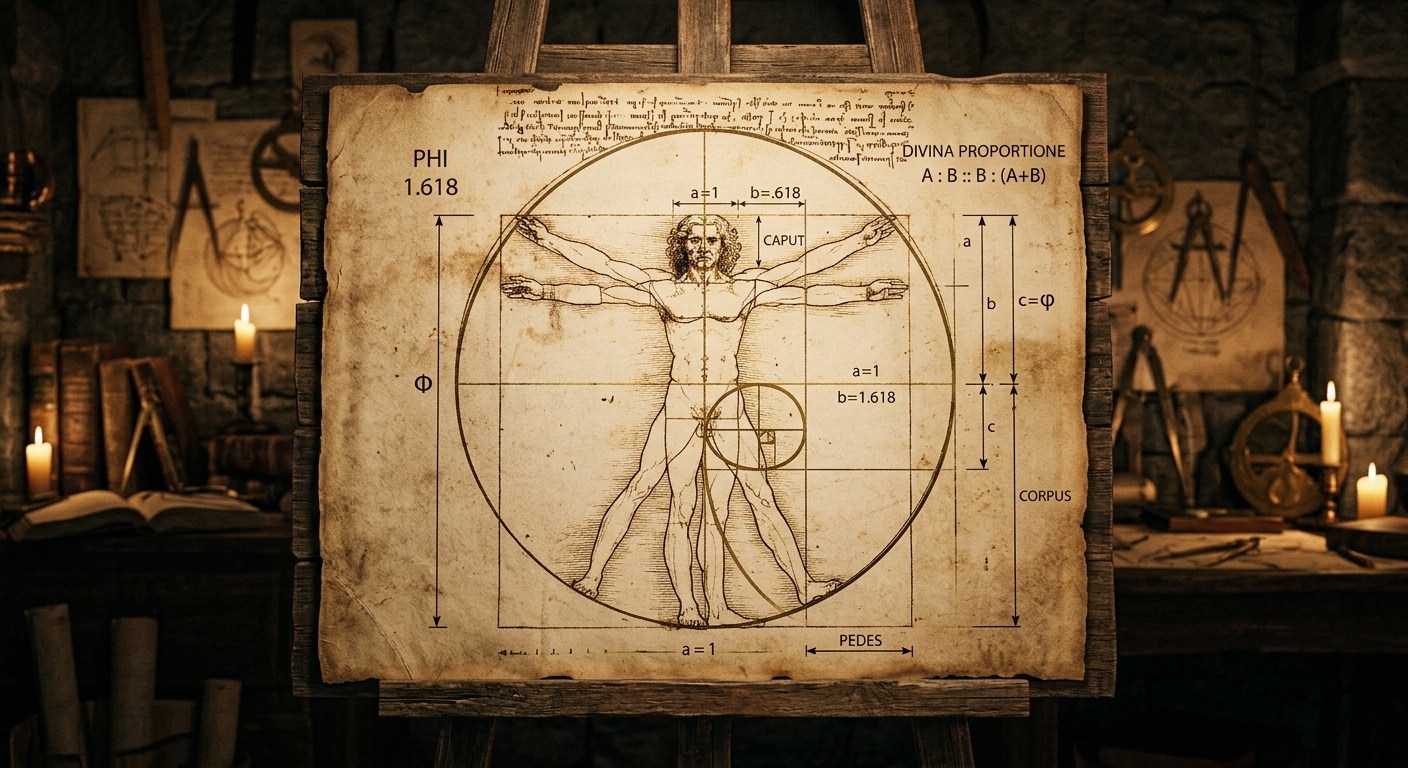
Leonardo da Vinci’s famous Vitruvian Man isn’t just Renaissance art: it’s a mathematical blueprint that architects have been using for centuries to design the buildings around us. The human proportions encoded in this iconic drawing follow the golden ratio and create spaces that feel naturally comfortable and aesthetically pleasing to our subconscious minds.
The ancient Aztecs created floating gardens called chinampas that produced four harvests per year without soil erosion, feeding over 200,000 people sustainably. This ingenious agricultural system combined artificial islands, natural irrigation, and ecosystem integration to create one of the most productive farming methods ever developed.
In 1843, while most women were confined to drawing rooms, Ada Lovelace wrote the world’s first computer program for a machine that wouldn’t exist for another century. Her visionary algorithm included concepts like loops and conditional operations, and she predicted computers could create music and art decades before electricity was widely available.
Ancient Egyptian mathematicians calculated pi to five decimal places over 4,000 years ago, encoding this mathematical knowledge into the Great Pyramid’s precise dimensions. This remarkable achievement wouldn’t be matched in medieval Europe for another 3,000 years.
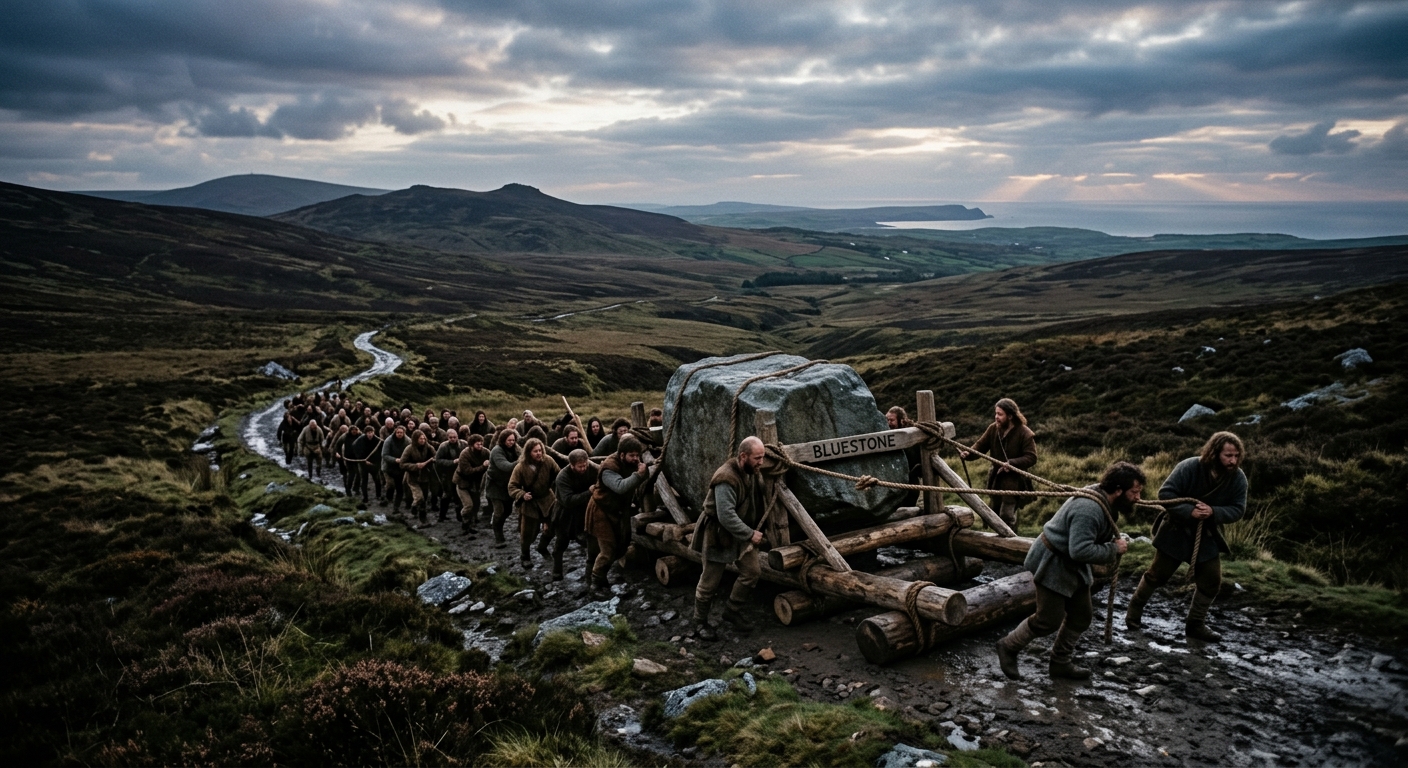
Ancient builders transported 80 massive stones, each weighing 4 tons, from Wales to Stonehenge across 150 miles of challenging terrain using only Stone Age technology. This incredible feat required hundreds of people working together for decades, representing one of humanity’s first mega-engineering projects.
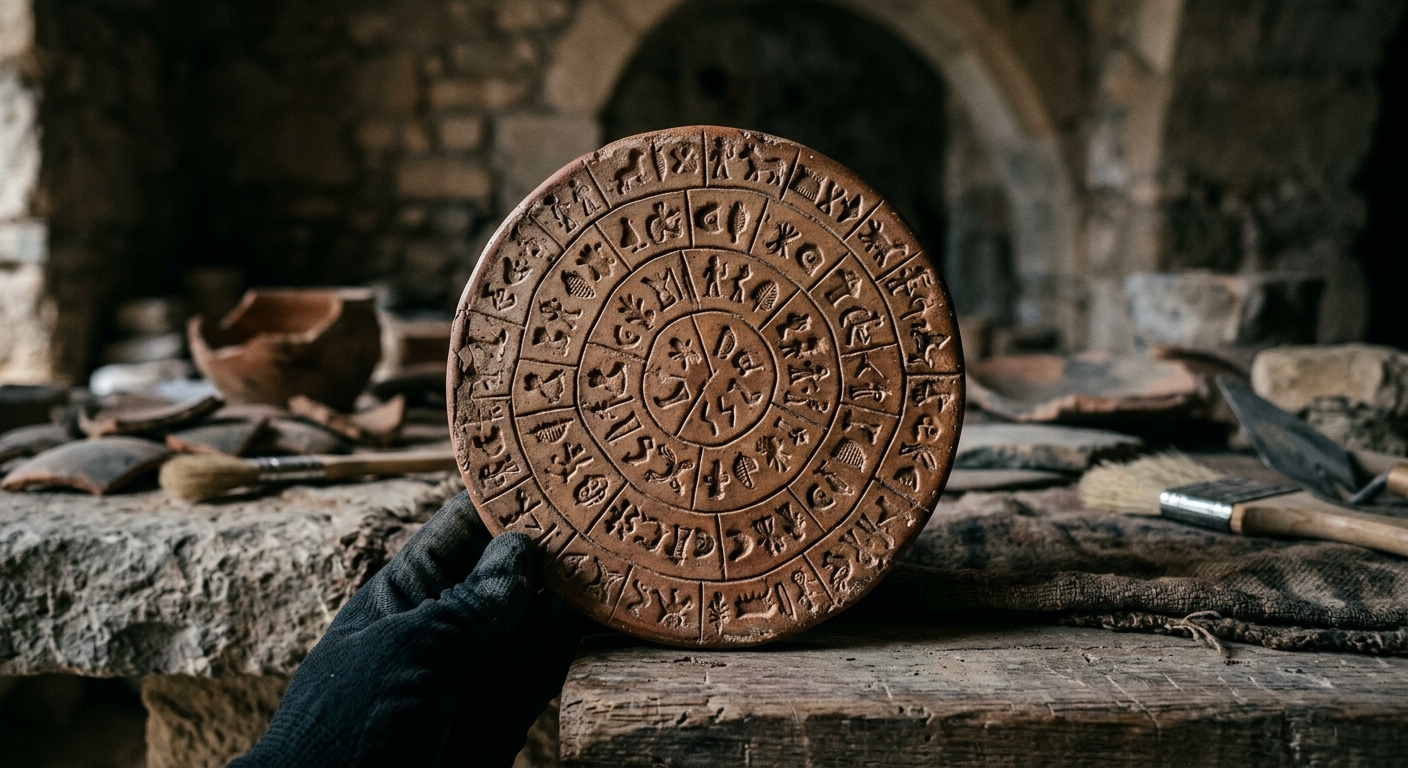
The Phaistos Disc, a 4,000-year-old clay artifact covered in mysterious symbols, has defied every decryption attempt for over 120 years. This unique archaeological find may represent the world’s oldest example of movable type printing, yet its message remains completely unknown to modern science.
Ancient Chinese rulers trying to communicate with dead ancestors accidentally created the earliest writing system in East Asia by carving questions and answers onto turtle shells and animal bones. These 3,000-year-old “oracle bones” reveal a civilization obsessed with everything from weather forecasts to royal toothaches.